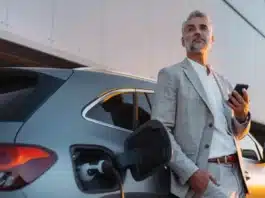
Electric vehicles (EVs) are gaining popularity worldwide as more people recognize the benefits they offer, including reduced greenhouse gas emissions and lower operating costs. However, the widespread adoption of EVs relies heavily on the availability and accessibility of an efficient charging infrastructure. We take deep dive into the different types of EV charging infrastructure and how they contribute to the growth and sustainability of electric vehicles.
Why EV Charging Infrastructure is Important
Facilitating the Adoption of Electric Vehicles
One of the primary reasons why EV charging infrastructure is crucial is its role in facilitating the adoption of electric vehicles. Range anxiety, the fear of running out of battery charge during a journey, is a significant concern for potential EV owners. The presence of a robust charging network helps alleviate this anxiety by providing drivers with access to charging stations wherever they go.
Enhancing Convenience and Accessibility
EV charging infrastructure enhances the convenience and accessibility of electric vehicles. With a well-developed charging network, EV owners can charge their vehicles at home, workplaces, public areas, and along highways. This widespread availability ensures that EV owners can charge their vehicles conveniently, similar to refueling a traditional gasoline-powered car.
Promoting Sustainability and Environmental Benefits
The growth of electric vehicles is closely tied to the environmental benefits they provide. By transitioning from internal combustion engines to electric motors, we can significantly reduce greenhouse gas emissions and air pollution. A robust EV charging infrastructure encourages more people to adopt electric vehicles, further reducing our reliance on fossil fuels and mitigating the harmful effects of transportation on the environment.
Types of EV Charging Infrastructure
There are several types of EV charging infrastructure, each designed to meet different charging needs and requirements. Let’s explore the most common types:
Level 1 Charging
Level 1 charging refers to the basic charging option available with all electric vehicles. It utilizes a standard 120-volt electrical outlet and is often referred to as “trickle charging.” While level 1 charging is the slowest option, it is suitable for overnight charging at home or in places where vehicles are parked for an extended period.
Level 2 Charging
Level 2 charging operates at 240 volts, offering faster charging speeds compared to level 1. This type of charging requires the installation of a dedicated charging station, commonly found in residential homes, workplaces, and public parking areas. Level 2 chargers can charge an electric vehicle up to six times faster than level 1 chargers, significantly reducing charging time.
DC Fast Charging (Level 3 Charging)
DC Fast Charging, also known as level 3 charging, is designed for rapid charging on the go. It utilizes a higher voltage (typically 480 volts or more) and can charge an EV to 80% capacity in a short amount of time, usually within 30 minutes. DC Fast Charging stations are commonly found along major highways, allowing EV owners to embark on long-distance trips with confidence.

Wireless Charging
Wireless charging, also known as inductive charging, is an emerging technology that allows electric vehicles to charge without the need for physical cables. It works by transferring energy between a charging pad on the ground and a receiving pad on the vehicle’s undercarriage. While wireless charging is still in its early stages, it offers the potential for convenient and automated charging in the future.
Components of EV Charging Infrastructure
To provide a seamless charging experience, EV charging infrastructure consists of various components. These include:
Charging Stations
Charging stations are the physical infrastructure that houses the charging equipment. They are strategically located at various places such as parking lots, shopping centers, and roadside rest areas. Charging stations can accommodate multiple charging points and are equipped with safety features to ensure the reliable and secure charging of electric vehicles.
Charging Cables
Charging cables connect the charging station to the electric vehicle. They come in different lengths and connectors, depending on the charging standards and the type of vehicle. High-quality charging cables are essential for efficient and safe charging.
Communication Protocols
Communication protocols enable the exchange of information between the charging station and the electric vehicle. These protocols ensure compatibility and enable features such as authentication, monitoring, and billing. Common communication protocols include CHAdeMO, CCS (Combined Charging System), and Tesla’s Supercharger network.
Payment Systems
Payment systems allow users to pay for the electricity consumed during the charging process. They can include options such as credit card payments, mobile apps, or RFID cards. These systems streamline the payment process and make it more convenient for EV owners to access charging services.
The Role of Government and Organizations
The development and expansion of EV charging infrastructure rely on the collaborative efforts of governments, organizations, and private enterprises. Here are some ways they contribute to the growth of electric vehicles:
Setting Standards and Regulations
Government bodies play a crucial role in establishing standards and regulations for EV charging infrastructure. These standards ensure interoperability between different charging networks, promote safety, and encourage the adoption of uniform technologies. By providing a clear regulatory framework, governments foster a favorable environment for EV charging infrastructure development.
Incentives and Support Programs
Governments often offer incentives and support programs to encourage the adoption of electric vehicles and the development of charging infrastructure. These can include tax credits, grants, subsidies, and favorable regulations. Such initiatives help reduce the upfront costs of EV ownership and incentivize businesses to invest in charging infrastructure.
Challenges and Solutions
While the growth of EV charging infrastructure is promising, several challenges need to be addressed. Here are some common challenges and potential solutions:
Range Anxiety and Charging Time
Range anxiety, the fear of running out of battery charge, is a psychological barrier that affects EV adoption. The limited driving range and the time required to charge EVs can be perceived as inconveniences. To alleviate this concern, the industry is working on increasing the driving range of EVs and developing faster charging technologies, such as ultra-fast charging.
Scalability and Grid Integration
As the number of electric vehicles on the road increases, scalability becomes a challenge. Charging infrastructure must be able to handle the growing demand without overloading the electrical grid. Smart charging systems, vehicle-to-grid (V2G) technology, and load management strategies can help optimize charging patterns and ensure grid stability.
Infrastructure Maintenance and Upgrades
Maintaining and upgrading charging infrastructure is essential to ensure its reliability and efficiency. Regular maintenance, monitoring systems, and proactive repairs are necessary to prevent downtime and provide a seamless charging experience for EV owners.
Future Trends and Innovations
The future of EV charging infrastructure is characterized by continuous innovation and improvement. Here are some trends and innovations to watch out for:
Ultra-Fast Charging
Ultra-fast charging technologies are being developed to reduce charging times significantly. These systems utilize higher power levels and advanced cooling techniques to enable faster charging while maintaining battery health.
Vehicle-to-Grid Technology
Vehicle-to-Grid (V2G) technology allows bidirectional power flow between electric vehicles and the electrical grid. This technology enables EVs to act as mobile energy storage devices, providing grid support during peak demand periods and harnessing stored energy for later use.
Smart Grid Integration
Smart grid integration aims to optimize the interaction between electric vehicles and the electrical grid. By leveraging advanced communication and control systems, smart grids can manage EV charging demand, balance energy supply and demand, and enable dynamic pricing schemes.
Conclusion
As electric vehicles become increasingly prevalent, the availability and accessibility of EV charging infrastructure are vital for their widespread adoption. Different types of EV charging infrastructure, such as level 1, level 2, DC fast charging, and wireless charging, cater to various charging needs. The components of EV charging infrastructure, including charging stations, cables, communication protocols, and payment systems, work together to provide a seamless charging experience.
Government support, setting standards, and implementing incentive programs are essential for the growth of EV charging infrastructure. Overcoming challenges related to range anxiety, scalability, and infrastructure maintenance will ensure a robust and reliable charging network. Future trends and innovations, such as ultra-fast charging, vehicle-to-grid technology, and smart grid integration, will further enhance the charging experience for EV owners.
As electric vehicles continue to shape the future of transportation, the development of efficient and accessible charging infrastructure remains crucial. By supporting the growth of electric vehicles, we can contribute to a more sustainable and environmentally friendly transportation system.
Electric Vehicle Charging Infrastructure FAQs
What is range anxiety, and how does it impact electric vehicle adoption?
Range anxiety refers to the fear or concern that an electric vehicle driver may experience due to the limited driving range and the availability of charging infrastructure. It can impact electric vehicle adoption by making potential buyers hesitant to switch from traditional gasoline-powered vehicles to electric ones. However, with the expansion of charging infrastructure and the continuous improvement of EV battery technology, range anxiety is gradually being alleviated.
What is the difference between level 2 and level 3 charging?
Level 2 charging operates at 240 volts and provides faster charging speeds compared to level 1 charging, which operates at 120 volts. Level 2 chargers require a dedicated charging station and can charge an electric vehicle up to six times faster than level 1 chargers. On the other hand, level 3 charging, also known as DC fast charging, utilizes much higher voltages and can charge an EV to 80% capacity within 30 minutes. Level 3 charging stations are commonly found along major highways, enabling long-distance travel for electric vehicle owners.
How does wireless charging for electric vehicles work?
Wireless charging, also known as inductive charging, enables electric vehicles to charge without the need for physical cables. It works by transferring energy between a charging pad on the ground and a receiving pad installed on the vehicle’s undercarriage. The charging pad on the ground generates a magnetic field, and the receiving pad on the vehicle converts the magnetic field back into electric energy to charge the vehicle’s battery. While wireless charging technology is still in its early stages, it holds the potential to provide convenient and automated charging solutions in the future.
What is vehicle-to-grid (V2G) technology?
Vehicle-to-Grid (V2G) technology allows electric vehicles to act as mobile energy storage devices. With V2G, an EV can not only receive energy from the grid but also send excess energy back to the grid when needed. This bidirectional power flow enables EVs to support the grid during peak demand periods or supply stored energy during times of high energy consumption. V2G technology has the potential to provide additional grid stability, optimize energy usage, and enable new revenue streams for EV owners.
How do governments support the growth of EV charging infrastructure?
Governments play a significant role in supporting the growth of EV charging infrastructure. They set standards and regulations to ensure interoperability and safety across different charging networks. Governments also provide incentives and support programs such as tax credits, grants, subsidies, and favorable regulations to encourage the adoption of electric vehicles and incentivize the development of charging infrastructure. These initiatives aim to reduce the upfront costs of EV ownership and create a favorable environment for charging infrastructure investments.